A naturist perspective on Seattle’s ongoing legal battle for one of the Pacific Northwest’s most important open spaces.
Something is happening in Seattle right now that deserves our attention — not because it’s loud, but because it’s quiet. A public park. A stretch of lakefront. A community that has been gathering there, peacefully and honestly, for over forty years. And a lawsuit that could end all of it.
What’s happening at Denny Blaine
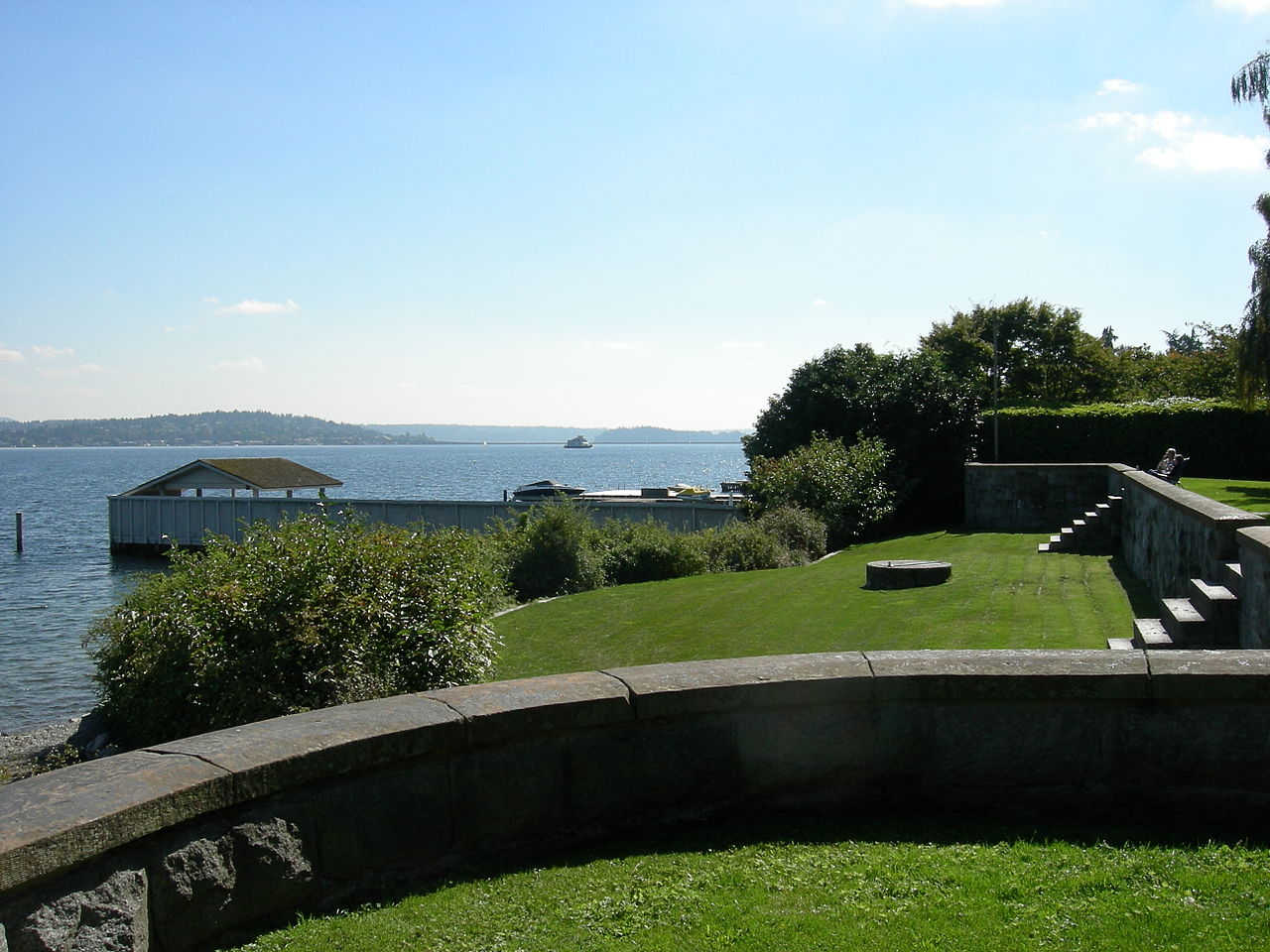
Denny Blaine Park sits along Lake Washington on Seattle’s east side. For decades, it has functioned as an informal, clothing-optional gathering space with deep roots in Seattle’s LGBTQ+ community. In 2025, it was added to the Washington Heritage Register — recognized, officially, as the state’s first LGBTQ nude beach.
Last spring, an anonymous group of neighboring property owners filed a lawsuit against the City of Seattle under the name Denny Blaine Park for All. Their argument is that public nudity at the park constitutes a public nuisance and that the city has failed to manage illegal conduct — specifically citing incidents of public sexual activity, drug use, and what they describe as chronic safety failures. They are seeking a permanent injunction to ban nudity entirely, or to close the park to the public altogether. Trial began on May 27, 2026.
The city has defended the park’s clothing-optional character. A volunteer-led nonprofit called Friends of Denny Blaine, represented pro bono by Perkins Coie, has formally intervened in the case to ensure the community has a voice in the outcome.
The complaint, fairly stated
The neighbors are not entirely wrong to raise concerns about illegal conduct. Public sexual activity is not naturism. It is illegal, it is harmful to the community’s reputation, and it deserves to be addressed. If there are enforcement failures — and the record suggests there have been some — those are legitimate operational problems that the city should solve.
That’s a fair argument. It deserves an honest response.
But here is where the logic breaks down: the proposed solution is not to stop the illegal behavior. It is to eliminate nudity itself. The lawsuit conflates simple, non-sexual nudity — legal under Washington law — with criminal conduct. It asks a court to prohibit an entire category of lawful human behavior because some visitors have acted unlawfully. That is not a public safety remedy. It is an erasure.
What’s actually at stake
Denny Blaine is not just a beach. It is one of the only spaces in the Pacific Northwest where naturism has existed openly, continuously, and within a genuinely diverse community for generations. Queer people, older adults, newcomers to naturism, long-time practitioners — people who have nowhere else to go have found something real here.
For those of us who practice naturism seriously, we understand how rare that is. Finding a space that is safe, consistent, and welcoming isn’t easy. Most of us navigate enormous amounts of compromise — seasonal limitations, private land, remote locations, social disapproval. Denny Blaine is something different. It is a living example of what public naturism can look like when a community takes care of a space over time.
Losing it would not just be inconvenient. It would be a genuine, irreversible loss — not only for the naturist community, but for the principle that public space can accommodate diverse, peaceful human expression.
It is also worth noting who is driving this lawsuit: anonymous, wealthy property owners who purchased homes near a beach that has been nude for decades. The addition of private security guards to patrol and intimidate parkgoers is not a community safety measure. It is pressure — applied strategically, through legal channels, to remove a community that doesn’t match the aesthetic preferences of the neighborhood.
Why this matters beyond Seattle
If the lawsuit succeeds, it will not stop at Denny Blaine. It sets a precedent for how naturist spaces — public ones especially — can be challenged, litigated, and eliminated by well-funded neighbors willing to use public nuisance law as a tool for cultural exclusion.
The strongest thing we can do is pay attention. Follow Friends of Denny Blaine. Support them if you can. And recognize that what happens in Seattle echoes far beyond Lake Washington.
Simple nudity is not a nuisance. It is a legal, human, and in this case deeply historic practice. It is worth protecting.
Friends of Denny Blaine: fodb.org